26.09.25
Australia’s property market outlook for FY26
Earlier this year, we published our 2025 property market predictions, highlighting factors such as record-low interest rates, strong population growth, and a persistent housing supply shortage as key drivers of the market.
Now in the first quarter of FY26, recent policy changes have prompted us to revisit our outlook and provide an updated analysis of the residential property market.
Economic factors continue to influence demand
Earlier this year, our 2025 property market predictions highlighted the impact of low interest rates and steady inflation on housing demand. As we move into the first quarter of FY26, these economic factors continue to shape the market.
To no surprise, interest rates remain a key driver. The Reserve Bank of Australia’s recent cash rate decisions have eased borrowing costs, providing some relief to buyers and supporting ongoing demand in major cities. Inflation for FY26 is expected to remain within the RBA’s target range of 2–3%, helping maintain economic stability and reinforcing confidence in the housing market.
At the same time, supply constraints persist in high-demand areas. New construction is still not fully meeting demand, particularly in sought-after suburbs, which continues to support property prices. Coupled with projected GDP growth of 2.1% in 2026 and low unemployment, these fundamentals create a positive environment for the residential property market in FY26.
Housing policy changes effective in FY26 give buyers and renters a helping hand
Several significant policy changes have been introduced in FY26 that are set to influence the housing market. These include:
- 5% Deposit Scheme for All First Home Buyers – The Federal Government has expedited the launch of its 5% deposit scheme, now commencing on 1 October 2025. This initiative allows eligible first home buyers to purchase a property with a 5% deposit and avoid paying Lenders Mortgage Insurance, making homeownership more accessible.
- Expansion of the Help to Buy Scheme – In the 2025–26 Federal Budget, $800 million has been committed to expand the Help to Buy scheme. This expansion increases income and property price caps, aiming to assist more first-time buyers in entering the housing market.
- Increased Rental Assistance – The government has announced a 45% increase in Commonwealth Rent Assistance, benefiting around one million rental households. This adjustment aims to ease cost-of-living pressures for renters.
These policy changes are expected to have a significant impact on the housing market, influencing both supply and demand dynamics.
Key market trends in CDL Australia’s priority areas – Brisbane and Melbourne
Both Brisbane and Melbourne are experiencing strong buyer interest and activity.
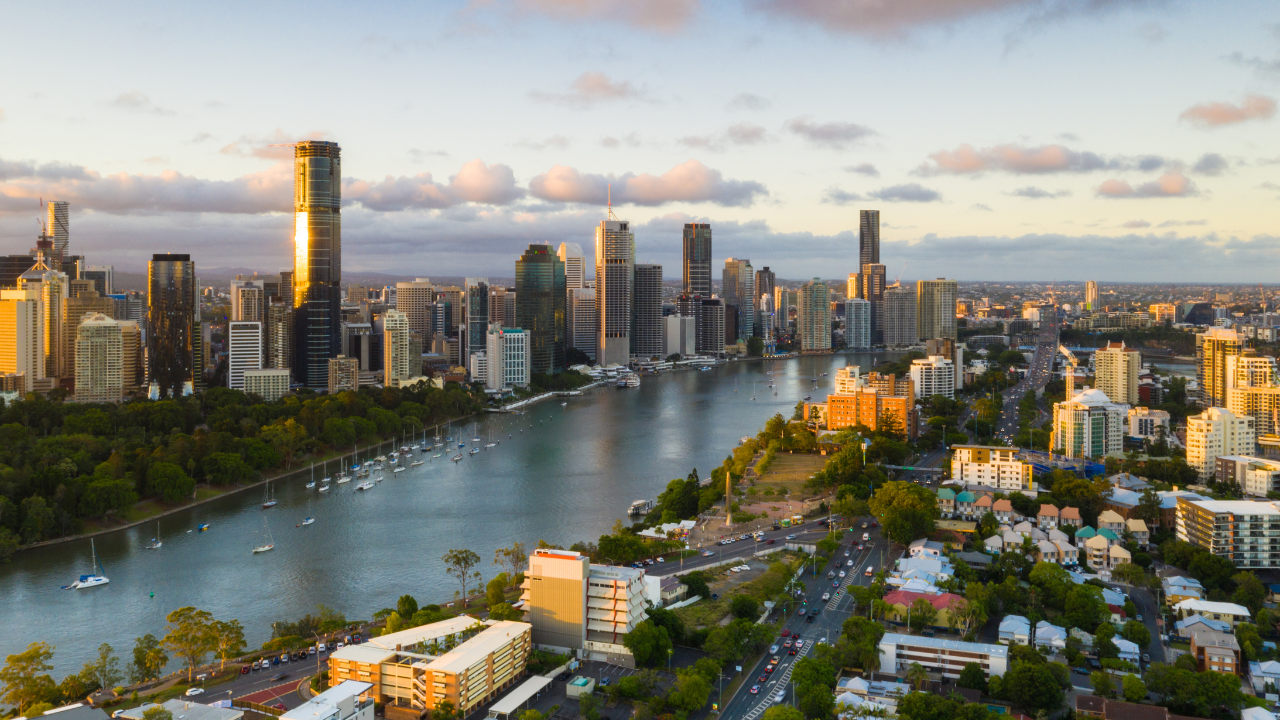
Brisbane has seen sustained growth, driven by population increases, infrastructure development, and relative affordability compared with other major cities. Inner-city and riverside suburbs continue to attract attention, while areas benefiting from interstate migration are seeing renewed demand.
Melbourne remains a major market with stable demand. Buyers continue to focus on lifestyle, proximity to work, and access to amenities. Inner and middle-ring suburbs are popular, while some outer areas are emerging as more affordable options for families and first-time buyers.
Together, these cities highlight the varied dynamics of Australia’s major property markets as FY26 unfolds.
Looking ahead
As we move further into FY26, strong demand, limited supply, and policy changes will continue to shape the housing market. CDL Australia is actively contributing to meeting the growing demand for quality housing in key urban areas.
In Brisbane, our infill development, Brickworks Park, will deliver much-needed housing, set within a heritage-rich site and offering a unique blend of modern living and historical charm.
In Melbourne, CDL Australia’s first Build-to-Rent project, The Archive, is progressing well. Located in the heart of the Fishermans Bend urban renewal precinct, this development will provide 237 high-quality rental apartments, contributing to the city’s evolving landscape and demand for build-to-rent developments.
To learn more about our emerging projects, click here.